


Picture a January morning. The driveway is icy, the wind off Lake Erie cuts right through your coat, and the only thing you want is to step onto a warm floor instead of cold planks or tile. That’s the promise of radiant heat. But if you’re thinking about pairing it with laminate or luxury vinyl, you need to know how the system and surface work together before you remodel.
How Radiant Heat Actually Warms Your Floors
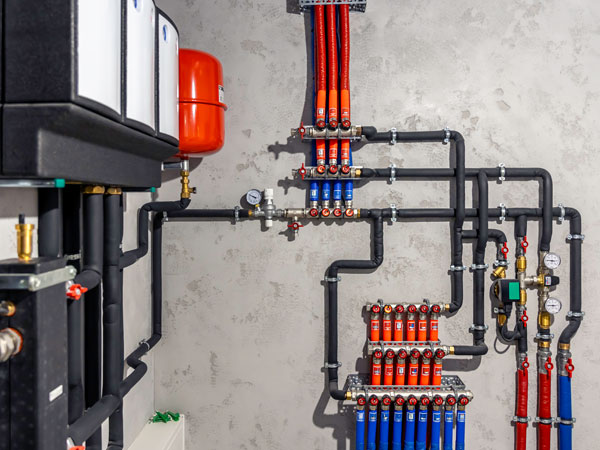
Radiant systems heat from the ground up, usually through electric mats or hydronic (water-based) tubing beneath the floor. Instead of blasting hot air, they gently warm the surface, which then warms the room. That slow, even heat is comfortable, but it also means your flooring has to handle gradual temperature changes without warping, separating, or discoloring.
Laminate is built from a dense core with a photographic layer and protective wear layer on top. Luxury vinyl uses flexible PVC-based layers that respond differently to heat. Both can work beautifully with radiant systems when they’re installed correctly and kept within manufacturer temperature limits. If you’re trying to compare options for a project, it helps to first explore our laminate collection and then look at how those constructions differ from what you’ll see in our luxury vinyl selection.
Laminate Over Radiant Heat: What Matters Most
Modern laminate can pair well with in-floor heating, but only if you respect a few boundaries. Most brands specify a maximum surface temperature (often around 80–85°F), require the system to warm up and cool down gradually, and call for proper underlayment. Ignoring those details can lead to gapping, peaking, or noisy joints as the planks expand and contract.
Another key factor is moisture. In our region’s snowy winters, melted slush and salt can work their way into joints if the installation isn’t tight. A quality underlayment and correct expansion gaps help the floor move naturally while still protecting the core. When we walk homeowners through different constructions in the showroom, we focus on which designs are rated for radiant systems and which are better suited to traditional heating. That’s why many people like to see our full selection in person before they commit to a layout, especially for open-concept spaces where one continuous surface runs over heated and non-heated areas.
When Luxury Vinyl Is the Better Match
Luxury vinyl planks and tiles often handle temperature swings and everyday spills more gracefully, which is a big advantage for basements, bathrooms, and busy kitchens. The material tends to be more dimensionally stable with heat and is inherently water-resistant or fully waterproof, so you’re not worrying about a swollen core if a boot tray overflows or a pet dish spills.
Because of that flexibility, many families who want radiant warmth under the most “splash-prone” rooms gravitate toward resilient surfaces first, then choose style. As you compare patterns and textures, you can browse LVP and LVT options that are specifically designed to handle both moisture and mild temperature changes. For some homes, we even pair a waterproof vinyl in lower levels with laminate upstairs to balance comfort, budget, and style from one floor to the next.
Getting Radiant-Ready Floors Installed the Right Way
The best radiant system can’t overcome a poor installation. Subfloor flatness, correct underlayment, acclimation time, and expansion gaps all play a role in how quietly and reliably your floor performs once the heat is on. In mixed-use properties or offices where the system runs long hours, those details matter even more, which is why many local businesses lean on our commercial flooring expertise when they upgrade lobbies or conference areas with heated surfaces.
If you’re planning a renovation and want warm floors that still look great after many Ohio winters, we can help you weigh laminate versus luxury vinyl for each room, review your radiant system specs, and coordinate installation so everything works together. When you’re ready to talk through your project, you can request your free estimate and we’ll help you design a floor that feels as good underfoot as it looks.


