


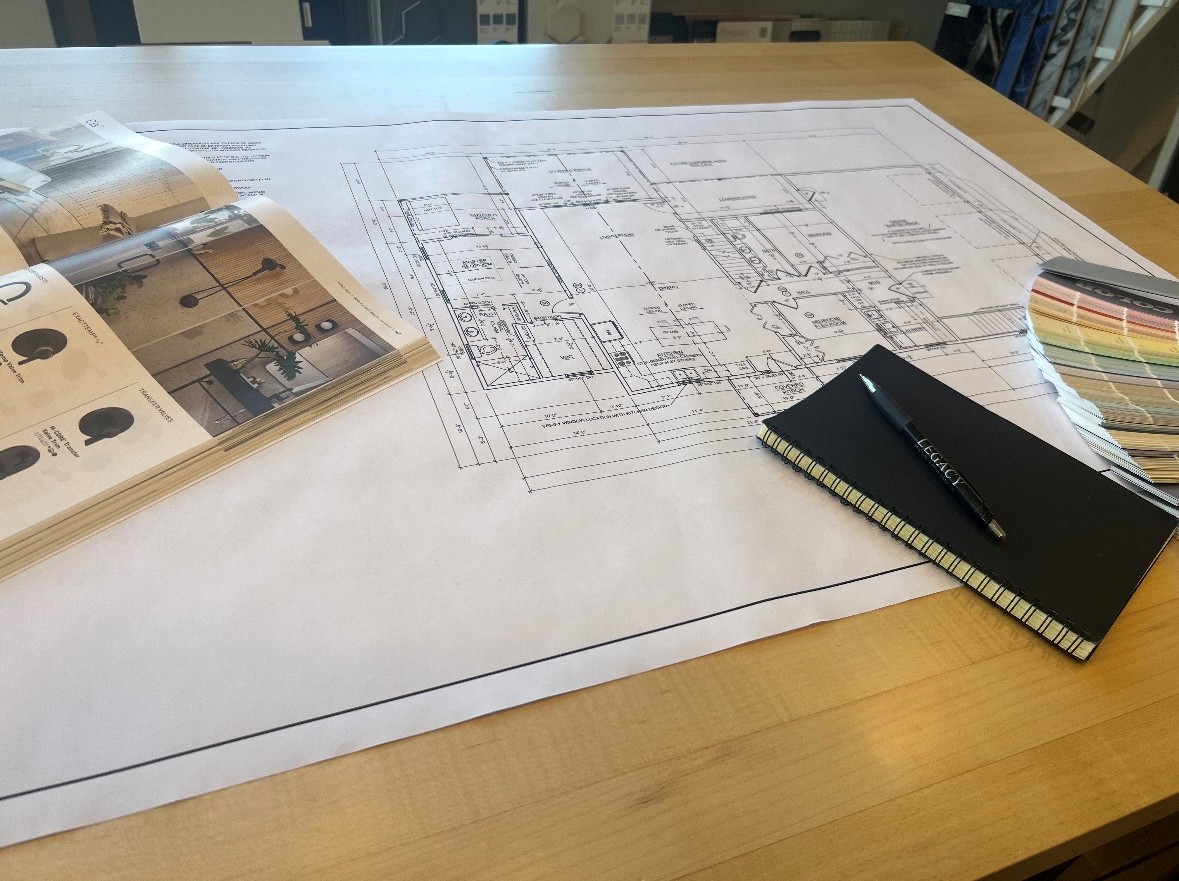
You finally have drywall, a roof, and a move‑in date on the horizon. Now your builder is asking for flooring decisions…for every room…all at once. It’s exciting, but also overwhelming. The right choices will make your new place feel finished from day one; rushed decisions can leave you wishing you’d slowed down and planned a bit more.
Use these simple checklists to organize flooring decisions for your new build, with a special focus on luxury vinyl and other waterproof options that stand up to four true Ohio seasons.
Step 1: Big‑Picture Flooring Decisions
Before you fall in love with individual planks or tiles, get clear on how you want the whole house to function.
- Traffic and lifestyle. Make a quick list of where kids, pets, and guests will move most. Hallways, great rooms, and mudrooms usually need something tougher than formal spaces.
- Moisture and mess. Note all areas that will regularly see water or spills—kitchen, baths, laundry, and any lower‑level living space. Those zones should be candidates for waterproof or highly water‑resistant surfaces.
- Comfort underfoot. Decide where you want softer, warmer rooms (often bedrooms) versus spaces where easy cleanup matters more.
- Visual flow. Think about whether you want one main look throughout most of the home or different materials to define zones. A continuous luxury vinyl plank across the main level can make a new build feel larger and more cohesive.
If you’re not sure what’s realistic for your layout, browsing a variety of styles in one place can help. Many homeowners start by comparing wood‑look options in the luxury vinyl collection and then branching out to other materials as needed.
Step 2: Room‑by‑Room Luxury Vinyl Checklist
For new construction, luxury vinyl often ends up on the short list because it balances style, durability, and budget. When you’re evaluating it for each space, walk through these points:
Main living areas
Ask how much natural light you’ll have and which direction the windows face. That affects how wood tones read once you move in. Cooler grays can look flat on cloudy winter days, while warmer browns often feel inviting year‑round. Check wear layer thickness as well—busy households usually benefit from heavier‑duty finishes.
Kitchen and dining
Confirm that the product you’re considering is rated for spills and frequent cleaning. Many modern LVP lines are fully waterproof, but not all. If you’re planning a large island or heavy appliances, look at installation methods and subfloor prep so planks stay locked and level.
Bedrooms and flex spaces
Decide how important sound and warmth are. Some families prefer carpet upstairs, while others like a hard surface plus area rugs. If you lean toward hard surfaces for allergy reasons, it’s worth exploring luxury vinyl options with thicker cores and attached pads for a quieter feel.
Step 3: Waterproof Zones and Lower Levels
Basements, mudrooms, and laundry spaces in our region often battle humidity, tracked‑in snow, and the occasional spill. When you’re reviewing plans with your builder, make sure these areas get a little extra attention.
For any slab‑on‑grade or lower level, confirm moisture testing is part of the construction process. Even with a good vapor barrier, it’s smart to choose flooring that doesn’t mind damp conditions. Many homeowners look at basement‑ready waterproof flooring so they don’t have to worry about minor moisture changes over the years.
In entries and mudrooms, think through daily routines. Where will wet boots land in January? Where will sports bags get dropped in the fall? A durable waterproof surface near the door, paired with mats and storage, can protect the rest of the home and make cleanup faster.
Step 4: Timing, Installation, and Final Walk‑Through
With new builds, when flooring goes in is almost as important as what you choose. Ask your builder when climate control will be running consistently; most products need time to acclimate in a stable environment before installation. That’s especially true for plank and tile materials.
Before move‑in, plan to do a slow walk‑through and look closely at seams, transitions, and stair edges. Small details—like clean cuts around vents and smooth thresholds between materials—make a big difference in how finished your home feels. If you’re working with a professional team that handles both design and installation, you’ll often see that reflected in what local homeowners say about their projects.
Ready to Build Your Flooring Plan?
If you’d like help turning these checklists into a room‑by‑room plan, our design team can walk you through luxury vinyl, waterproof options, and other materials that fit your new build and the local climate. You can request your free estimate to start the conversation before framing is finished or as you approach your final selections.


