


You don’t really notice your floors until they start getting in the way. A lip between rooms that catches your toe. A slick tile that makes you nervous when you step out of the shower. A thick carpet that turns a walker into a workout. For many homeowners planning to age in place, those little annoyances can quietly turn into safety risks.
Designing a home that supports you long term starts underfoot. The right surfaces can reduce falls, make cleaning easier, and handle the four-season swings we see in Northeast Ohio, from slushy winters to humid summers.
What Aging in Place Really Demands from Your Floors
Aging in place isn’t just about grab bars and wider doorways. Flooring plays a huge role in whether a home feels safe and comfortable over time.
For most households, the priorities look similar:
- Stable footing. You want good traction in socks or slippers, especially on stairs, in bathrooms, and near exterior doors.
- Smooth transitions. Level surfaces between rooms make it easier to use canes, walkers, or wheelchairs and reduce tripping hazards.
- Easy upkeep. As bending, scrubbing, and hauling heavy vacuums gets tougher, low-maintenance floors become more important.
- Moisture resistance. In our climate, melted snow at the entry, damp basements, and steamy bathrooms can all damage the wrong material.
Modern waterproof flooring hits all four of these needs, which is why we often start there when we talk with families planning ahead.
Why Waterproof Flooring Works So Well for Future-Friendly Homes
Today’s waterproof products don’t look “institutional.” Many are designed to mimic hardwood or stone while quietly solving everyday problems.
Rigid-core waterproof vinyl and similar constructions offer:
- Slip-resistant textures. Lightly embossed finishes can provide better grip than traditional glossy tile, while still looking polished.
- Warmth underfoot. These surfaces typically feel warmer and softer than ceramic or stone, which matters on cold January mornings.
- Protection from spills and leaks. If a glass of water tips, a pet has an accident, or a washing machine overflows, the floor is built to handle it.
If you’re starting to rethink a bathroom, laundry room, or lower level, it can help to browse waterproof flooring for Ohio homes to see how many styles now blend safety with design. Many options work beautifully in open-concept spaces, so you can run one continuous surface from kitchen to living room and minimize thresholds.
Key idea: A single, waterproof, low-profile floor throughout the main level can do more for aging in place than a dozen small gadgets.
Where Laminate Still Fits into an Aging-in-Place Plan
Laminate flooring deserves a place in the conversation too, especially in drier areas like bedrooms, hallways, and home offices. It can be a smart choice if you want the look of wood and a comfortable surface underfoot without the upkeep of traditional hardwood.
For aging in place, the advantages are straightforward:
- The hard, even surface makes it easier to move rolling chairs and mobility aids.
- Many products now offer improved scratch and wear resistance, which is helpful if you’ll be using walkers or wheelchairs.
- It often comes with attached padding, softening footsteps and reducing fatigue when you’re on your feet.
If you’re weighing where it makes sense, you might explore our laminate collection for inspiration, then reserve waterproof materials for moisture-prone rooms. Mixing the two strategically can keep your home both practical and inviting as needs change.
Designing Safer Paths from Room to Room
Once you’ve chosen the right materials, layout details make the difference between “updated” and truly future-ready.
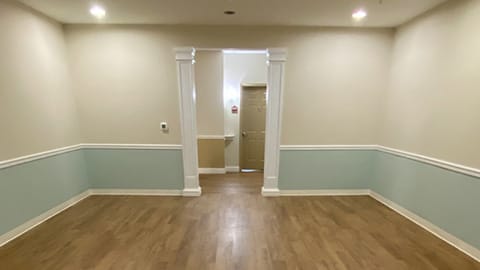
First, aim for continuous runs of flooring wherever possible. Fewer changes in height mean fewer chances to catch a toe or walker wheel. When transitions are necessary, low-profile reducers and careful installation can create a gentle slope instead of an abrupt step.
Next, think about lighting and contrast. Floors that clearly define stair edges and room boundaries help aging eyes judge depth. This doesn’t mean high-contrast stripes; often, a subtle shift in tone between treads and risers is enough.
Finally, installation quality matters. Tight seams, secure stair noses, and properly prepped subfloors all contribute to a surface that feels solid and predictable underfoot. If you’d like to see how other local families approached these choices, you can always see what Northeast Ohio customers say about their projects and what has worked well for them over time.
Ready to Plan Floors You Won’t Have to Redo Later?
Future-proofing your home doesn’t have to happen all at once. Many homeowners start with the most critical spaces—bathrooms, entries, and main walkways—then phase in bedroom and basement updates over time. If you’re beginning to think about long-term comfort and safety, we can help you sort through waterproof and laminate options, talk through transition details, and map out a plan that fits your timeline.
When you’re ready to take the next step, you can request your free estimate and let us know which areas you’d like to make more aging-friendly first.


