


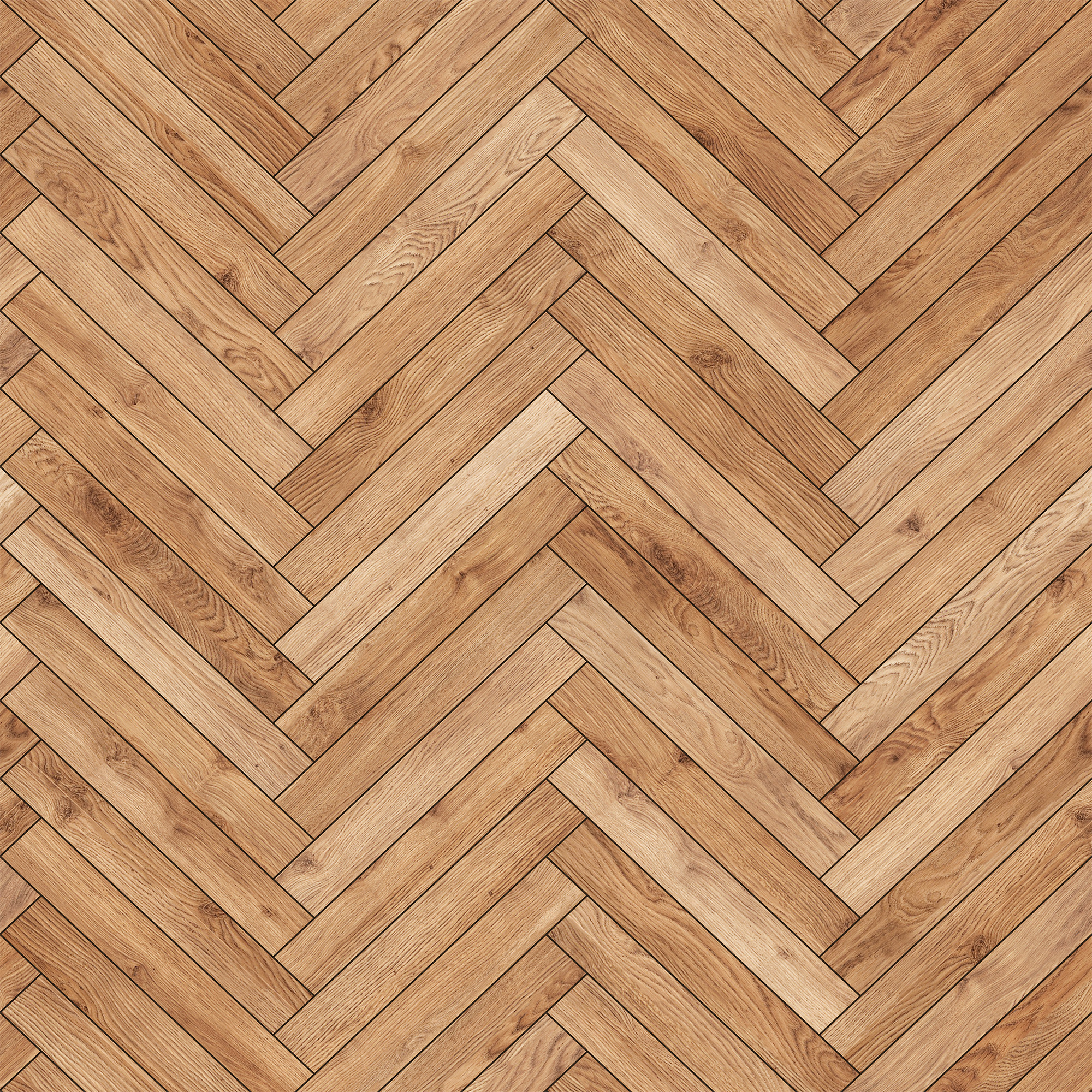
A floor can look perfect in a showroom and still feel wrong once real life starts happening on it. Morning sunlight hits at a different angle. The dog runs in from the yard. Wet boots land by the door. Suddenly, the question is not just “What color do we like?” but how much shine can we live with and what kind of surface will feel right every day.
That is especially true in Northeast Ohio, where winter salt, summer humidity, and the usual parade of shoes, groceries, and backpacks put every room to work. In many homes around Twinsburg, the best choice is not the glossiest or most dramatic option. It is the one that balances style with the way the space is actually used.
Start with light, not just color
Sheen changes how a floor handles light. A higher-gloss finish reflects more, which can make a room feel brighter and a little more formal. It also tends to show more of what lands on the surface: dust, paw prints, streaks, and small scratches. A low-sheen or matte finish softens those reflections, which usually makes everyday mess less noticeable.
That is one reason many homeowners gravitate toward luxury vinyl styles with natural-looking finishes. The category offers a wide range of visuals, but the practical advantage is that many options are designed to mimic real wood or stone without the constant upkeep a shinier surface can demand. If your room gets strong afternoon sun, a softer finish often feels more relaxed and forgiving.
Texture matters more than people expect
Texture is not just a visual detail. It affects traction, comfort, and how believable the floor looks up close. A lightly textured surface can help disguise minor wear and give planks a more realistic grain pattern. That is useful in busy kitchens, hallways, and family rooms where movement never really stops.
There is a tradeoff, though. Deeper embossing can hold onto a bit more dust in the grooves, so the right choice depends on your cleaning habits and tolerance for maintenance. If moisture is part of the equation, it helps to compare waterproof flooring made for Ohio homes, especially in entry areas, lower levels, and bathrooms where slick surfaces can become more noticeable when damp. A little texture often adds a lot of everyday practicality.
Match the finish to the room’s job
A formal dining room can handle a different look than a mudroom. In spaces where you want warmth and ease, matte or low-luster finishes usually win because they hide the evidence of living. In rooms where you want a cleaner, more polished feel, a touch more sheen may make sense, as long as you know it will ask more from you.
Laminate can also be worth considering when durability and budget both matter. If you are comparing categories, it helps to browse laminate options for high-traffic rooms and see how surface texture changes the overall feel. Some people are surprised by how much a subtle grain or hand-scraped effect can soften the look of a large open area without making it feel busy.
This same thinking applies beyond the house. For offices, retail spaces, and other business interiors in places like Solon or Hudson, sheen and texture influence maintenance just as much as appearance. Floors that look sharp on day one should still work after steady foot traffic, which is why many owners ask for commercial flooring solutions that balance presentation with durability.
Think about what you want to notice
The best floor is often the one you stop noticing. Not because it disappears, but because it keeps doing its job without demanding attention. If you do not want to see every footprint, lean matte. If you want added grip and a more natural look, choose light texture. If you love a cleaner, more reflective finish, reserve it for lower-stress spaces.
In a four-season climate like ours, the smartest decision usually comes from seeing samples in your own light and comparing them to how your household actually moves. If you want help narrowing it down, you can request your free estimate and talk through the rooms, traffic, and finish preferences that matter most.


