


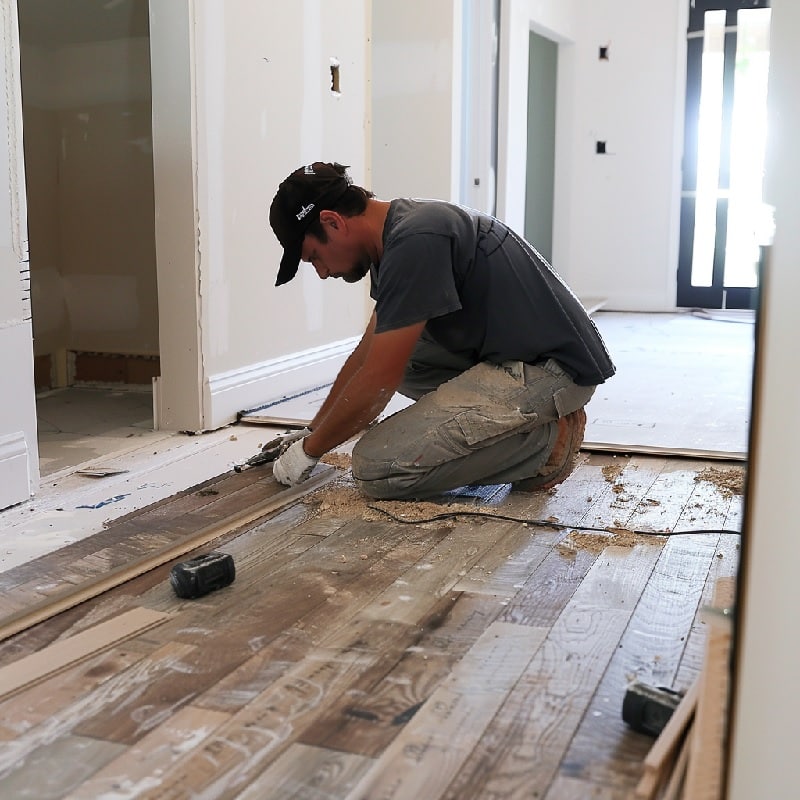
Few things are more frustrating than installing beautiful new floors, then watching the rest of a renovation put them at risk. A dropped pry bar, a trail of drywall dust, or one careless trip with a paint ladder can undo the excitement fast. If you're updating a home in Northeast Ohio, where wet boots, winter grit, and unpredictable weather already put surfaces to the test, protecting that investment matters from day one.
Start with a realistic renovation plan
The best protection begins before the first cabinet is moved back in. If your project includes painting, trim work, electrical updates, or a kitchen refresh after installation, assume the floor will face traffic from tools, contractors, and materials. That means protection should be part of the schedule, not an afterthought.
For many homeowners, laminate is a smart choice because it balances style, durability, and value. Still, even a tough surface can suffer from scratches, denting, or moisture exposure when work is happening around it. If you're still comparing materials, it helps to browse laminate options with renovation wear in mind, especially for busy households in Twinsburg.
Use the right protective materials
Not all floor covering is actually protective. Plastic alone can trap moisture, especially during messy projects or humid stretches, and cardboard can shift underfoot. A better approach is to use a breathable, non-staining floor protector made for finished surfaces, then tape seams to itself rather than directly to the planks whenever possible.
It also helps to create clear walking paths for tradespeople. Cover main traffic lanes, work zones, and entry points first. In homes around Solon and Hudson, that matters even more during rainy or snowy seasons when debris and damp shoes come inside. Protection works best when it is layered and intentional, not improvised with leftover materials from the garage.
Control dust, grit, and rolling weight
Most renovation damage does not come from one dramatic accident. It comes from repetition. Fine dust acts like sandpaper under shoes. Small screws get kicked across the room. Appliance dollies and loaded carts concentrate weight in ways the surface was never meant to handle without protection.
That is where material choice can make a difference. If your project includes bathrooms, laundry areas, or a basement finish, you may want to explore moisture-resistant options for spaces where renovation mess and long-term humidity tend to overlap. And if you want a surface that handles active households while still delivering a high-end look, you can also see luxury vinyl styles that pair visual warmth with practical resilience.
Set rules for everyone on the job
Even the best protective covering fails if no one follows the plan. Ask contractors where they expect to stage tools, cut materials, and enter the home. Keep heavy equipment off finished rooms whenever possible, and add felt pads or plywood under anything that must be rolled across the area. Shoes with embedded gravel, open paint cans, and uncovered ladders should never touch the new surface.
This applies at home and in business settings alike. If a renovation is happening in an office, showroom, or tenant space, planning around traffic becomes even more important. Carpet Country also offers commercial flooring solutions for projects that need durability without sacrificing appearance.
Finish strong with one last inspection
Once the renovation wraps up, remove protective coverings carefully, vacuum thoroughly, and check for trapped debris before furniture goes back in place. This is also the time to confirm that chair legs, tables, and appliances all have the right pads or barriers underneath. A careful final walkthrough can prevent brand-new wear from starting on day one.
If you're planning a flooring update and want help choosing something that fits both your style and the realities of renovation, you can request your free estimate and get guidance tailored to your space.


