


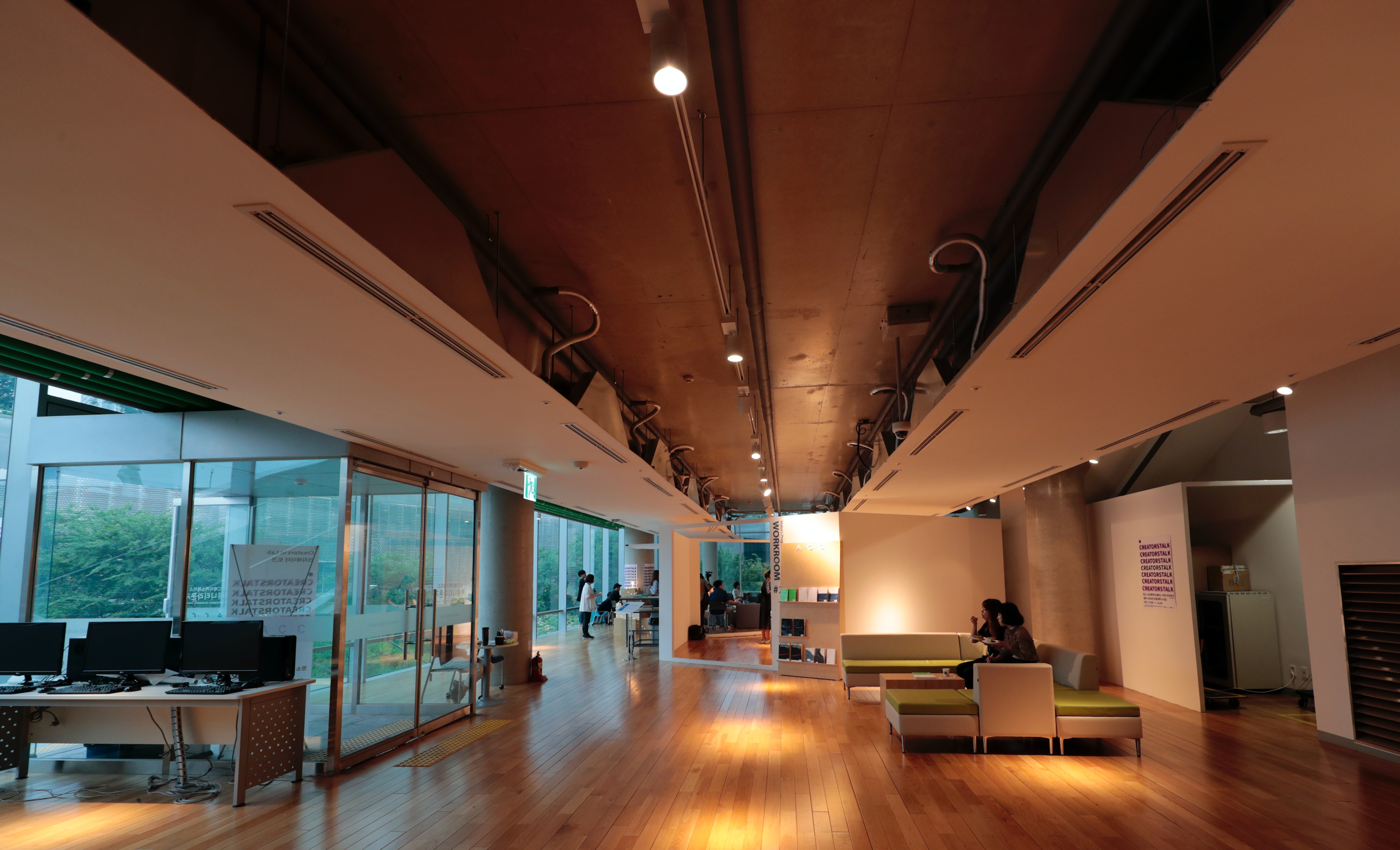
Walk into any busy office on a Monday morning and you can almost hear the floors working. Rolling chairs, coffee runs, winter boots, delivery carts—every square foot takes a beating. Yet most business owners only think about flooring twice: when it’s brand new, and when it’s failing. Understanding the full lifecycle of commercial floors helps you plan smarter, budget better, and keep your space looking professional year after year.
Stage 1: Planning for Heavy Use and Local Conditions
The lifecycle really starts long before installation. In our region’s four-season climate, office floors have to handle snow and salt in winter, humidity in summer, and constant foot traffic all year. That’s why material choice, subfloor prep, and layout planning matter as much as color and pattern.
During the design phase, we look at how each area functions. Reception and corridors usually need dense, easy-to-clean surfaces that still feel welcoming. Conference rooms may call for better acoustics and a softer underfoot feel. Break rooms and copy areas often benefit from resilient surfaces that resist moisture. When we map those needs to specific products, our goal is to create a floor system that can realistically last through its full expected service life, not just look good on day one. Businesses comparing options often lean on our commercial flooring solutions to see what has worked in similar offices.
Stage 2: Early Years – Performance and First Impressions
Once the floor is installed, the first few years are about performance proving itself. In a well-designed office, you should see consistent wear patterns, stable seams, and finishes that clean up well even after winter storms. If you start noticing fraying edges, visible staining, or lifting tiles early on, that’s usually a sign of either the wrong material choice or inadequate maintenance.
This is also when staff and visitors form their impression of your space. A quiet, solid-feeling floor makes meetings more comfortable and reduces noise carrying between work areas. Many offices use a mix of carpet tile in workstations and resilient surfaces in high-traffic paths. For spaces that see extra moisture, some facilities managers now incorporate waterproof flooring for problem areas so spills and wet umbrellas don’t shorten the floor’s life.
Stage 3: Midlife – Maintenance, Repairs, and Refresh
By the middle of its lifecycle, a commercial floor starts telling you where it’s working hardest. You’ll see traffic lanes in corridors, chair caster patterns under desks, and slight dulling in lobbies. This stage is where smart maintenance can easily add several years of useful life.
Regular cleaning with the right products, prompt spot repairs, and strategic use of entry mats all matter. In some offices, we recommend replacing only the most worn sections—such as a reception zone or a copy room—while keeping the rest intact. That approach is especially effective when the original design used modular materials. When a space is due for a visual refresh but the structure is sound, some owners explore modern luxury vinyl options to update the look without compromising durability.
Stage 4: End of Life – Knowing When It’s Time to Replace
Even the best commercial floor reaches a point where repair no longer makes sense. Common signs include widespread staining that won’t lift, delamination, persistent odors, or safety issues like buckling and trip hazards. At that stage, patching becomes more expensive and disruptive than planning a complete replacement.
The good news is that a thoughtful replacement can solve long-standing problems. Many offices use the opportunity to improve acoustics, upgrade to more stain-resistant materials, or reconfigure layouts to support hybrid work. Property managers who have been through several renovation cycles often rely on durable business flooring that has already proven itself in other regional projects, especially in buildings that cycle through multiple tenants.
Plan the Next Lifecycle with Confidence
When you think of flooring as a lifecycle rather than a one-time purchase, planning becomes much easier. You can match materials to usage, schedule maintenance strategically, and budget for replacement before it becomes an emergency. If you’re looking at an aging office floor and wondering whether to repair, refresh, or start over, we can help you map out your next steps and get expert guidance on your project so the next lifecycle lasts even longer.


